SIR Decision
Rita Devee (Richa) Sep 26, 2026
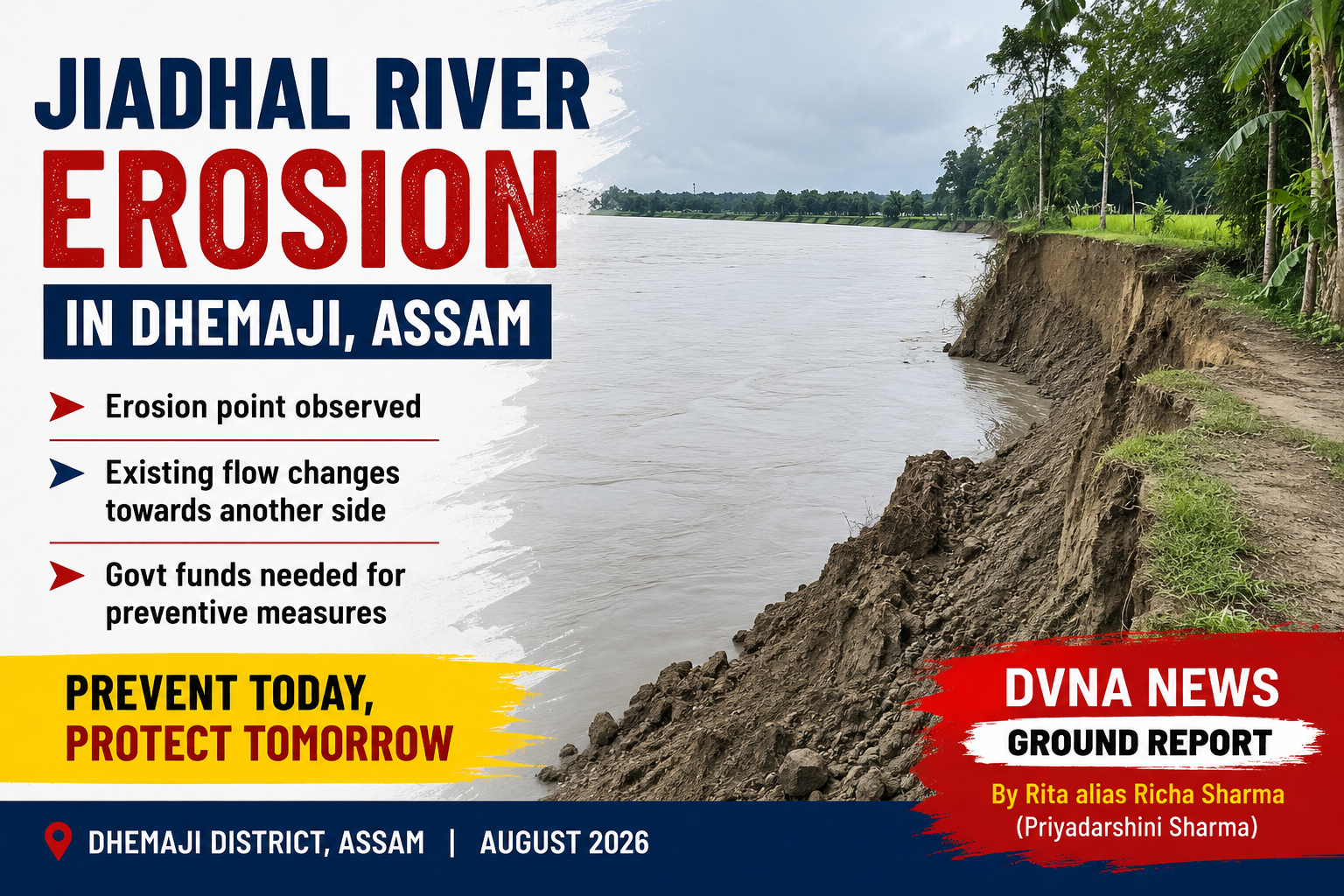
Ground Report | Dhemaji, Assam | August 2026
DHEMAJI, ASSAM: The issue of riverbank erosion continues to remain an important concern in Assam, particularly in flood-prone districts where rivers frequently change their course and exert pressure on vulnerable riverbanks.
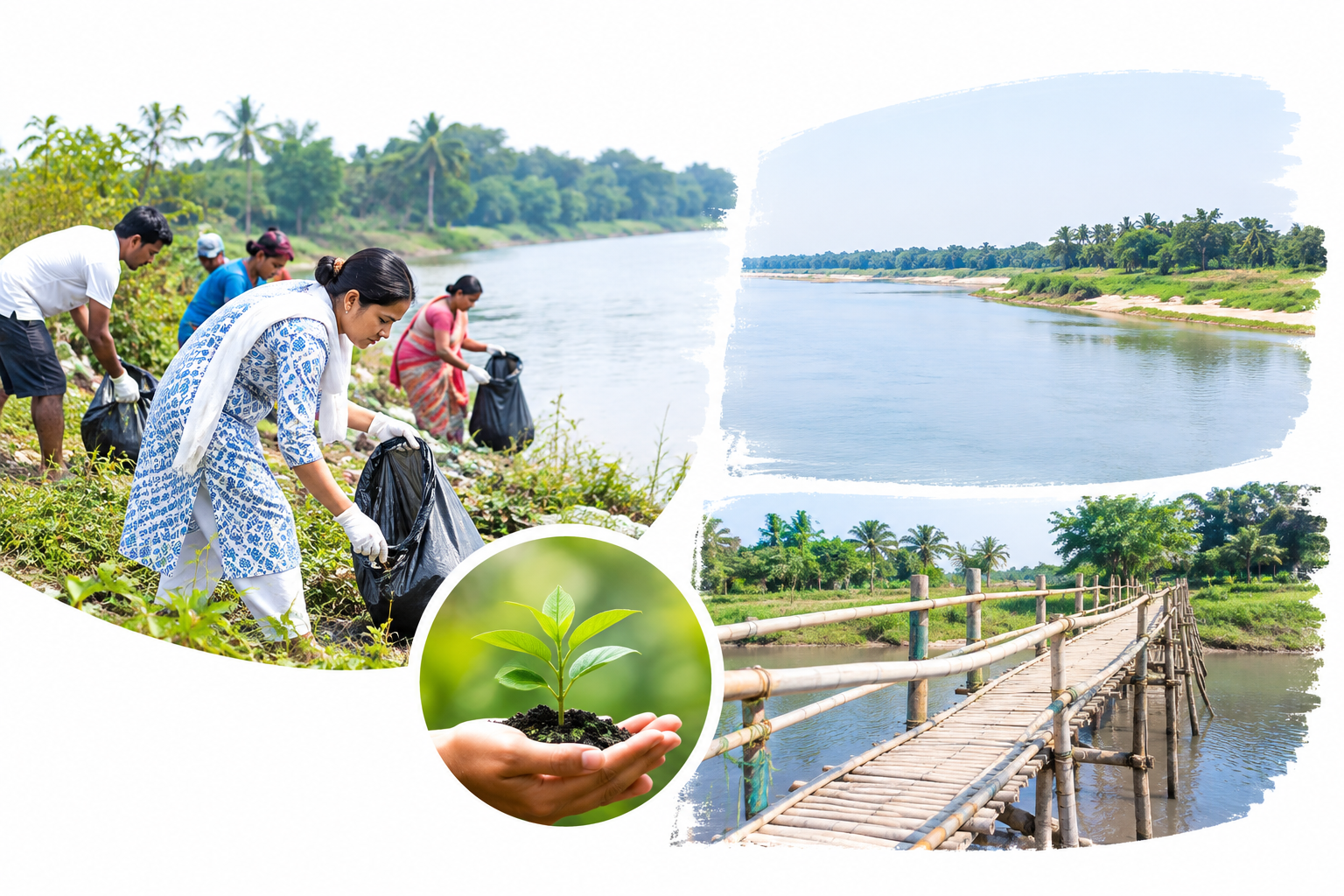
During a recent visit to the Jiadhal River in Dhemaji district, Assam, in August 2026, DVNA NEWS (Delhi Voice News Agency) news portal owner and journalist Rita alias Richa Sharma, also known as Priyadarshini Sharma, observed a river erosion point and the changing pattern of the river's existing flow.
According to the ground observation, a portion of the remaining/existing river flow appeared to be shifting toward another side. Such changes in river flow can gradually increase pressure on riverbanks and may become a concern for nearby areas if erosion continues during the monsoon season.
River systems in Assam are dynamic, particularly during the monsoon when increased water levels and strong currents can alter the movement of water and sediment. A change in the direction of an existing flow can place additional pressure on a particular riverbank.
The Jiadhal River area in Dhemaji therefore requires continuous observation, particularly during periods of heavy rainfall and increased water discharge.
DVNA NEWS observed that although the situation at the location visited did not appear to be immediately devastating for local riverside residents, preventive maintenance and timely intervention remain important.
The observation highlights the importance of taking measures before erosion becomes severe, rather than waiting until substantial damage occurs to agricultural land, roads, homes or other local infrastructure.
DVNA NEWS observes that adequate government funding may be required for riverbank protection and erosion-control measures wherever vulnerable points are identified.
Preventive expenditure on vulnerable stretches can potentially reduce the cost and social impact of major erosion later. Regular inspection, technical assessment, maintenance of existing protection structures and appropriate river-management measures can all play a role in reducing the vulnerability of riverside communities.
The requirement for funds, however, should ideally be based on technical assessment, site inspection, hydrological conditions and the recommendations of the concerned Water Resources authorities.
One of the important observations from the ground is that preventive maintenance can help prevent a developing erosion problem from becoming a major disaster.
Where protective works or maintenance measures are already in place, their regular monitoring and timely repair can be particularly important before and during the monsoon.
DVNA NEWS observes that local people living close to rivers often remain vulnerable because even a relatively small change in the river's course can eventually affect farmland, communication routes and settlements.
For this reason, early identification of erosion points should remain an important part of flood and riverbank management in Assam.
Dhemaji is among the areas of Assam where communities regularly face challenges associated with floods, river erosion and changing watercourses.
The interaction between heavy monsoon rainfall, high river discharge, sediment deposition and changing channels can create difficult conditions for both residents and government agencies.
River erosion is different from a sudden flood. While flooding can develop rapidly when water levels rise, erosion can progressively remove portions of riverbanks and threaten land and infrastructure over time.
A location that appears relatively manageable during one period can therefore become more vulnerable if the river's flow continues to move toward the same bank.
DVNA NEWS believes that ground-level observations should complement official monitoring and technical assessments.
Visits to erosion-prone locations can help journalists, local representatives and residents understand the condition on the ground and draw attention to points that may require further examination by competent authorities.
In the case of the Jiadhal River, the observed change in the existing flow direction is an issue that may warrant continued monitoring, particularly throughout the monsoon period.
Any future decision regarding embankments, bank-protection structures, channel management or other engineering interventions should be taken by the competent authorities after proper technical evaluation.
The ground observation also raises a broader question about disaster management in Assam: should erosion-control efforts focus more strongly on preventive action?
When erosion reaches a critical stage, government agencies may have to undertake emergency measures under difficult conditions, sometimes with limited time and greater financial requirements.
Preventive maintenance, on the other hand, can allow authorities to identify vulnerable stretches earlier and undertake necessary work in a planned manner.
This does not mean that every erosion point requires immediate large-scale construction. Rather, the priority can be to identify the most vulnerable locations, conduct technical studies and provide appropriate protection wherever necessary.
For people living near rivers, the condition of the riverbank is directly connected with their everyday lives.
Agricultural land, roads, homes and other community assets can be affected when a river gradually moves toward inhabited or cultivated areas. Therefore, information from local residents can also be valuable in identifying changes in river behaviour.
DVNA NEWS observes that coordination between local communities, district administration and the concerned technical departments can help create a more effective monitoring mechanism.
From the August 2026 visit, DVNA NEWS highlights the Jiadhal River erosion point in Dhemaji and the apparent shift of the existing flow toward another side.
At the time of the observation, the situation did not appear to have caused major devastation to the local riverside population at the location visited. However, the changing river flow and erosion point indicate the importance of continued vigilance.
DVNA NEWS observes that government funding and appropriate preventive measures may be required at vulnerable locations to control erosion before the situation becomes more serious.
The focus should remain on scientific assessment, preventive maintenance, timely monitoring and protection of vulnerable communities.
As Assam continues to experience intense monsoon conditions and recurring river-related challenges, effective river management will remain an important component of long-term climate resilience and disaster preparedness.
Reported/Observed by: Rita alias Richa Sharma (Priyadarshini Sharma)
DVNA NEWS – Delhi Voice News Agency
Ground Report from Dhemaji, Assam | August 20262
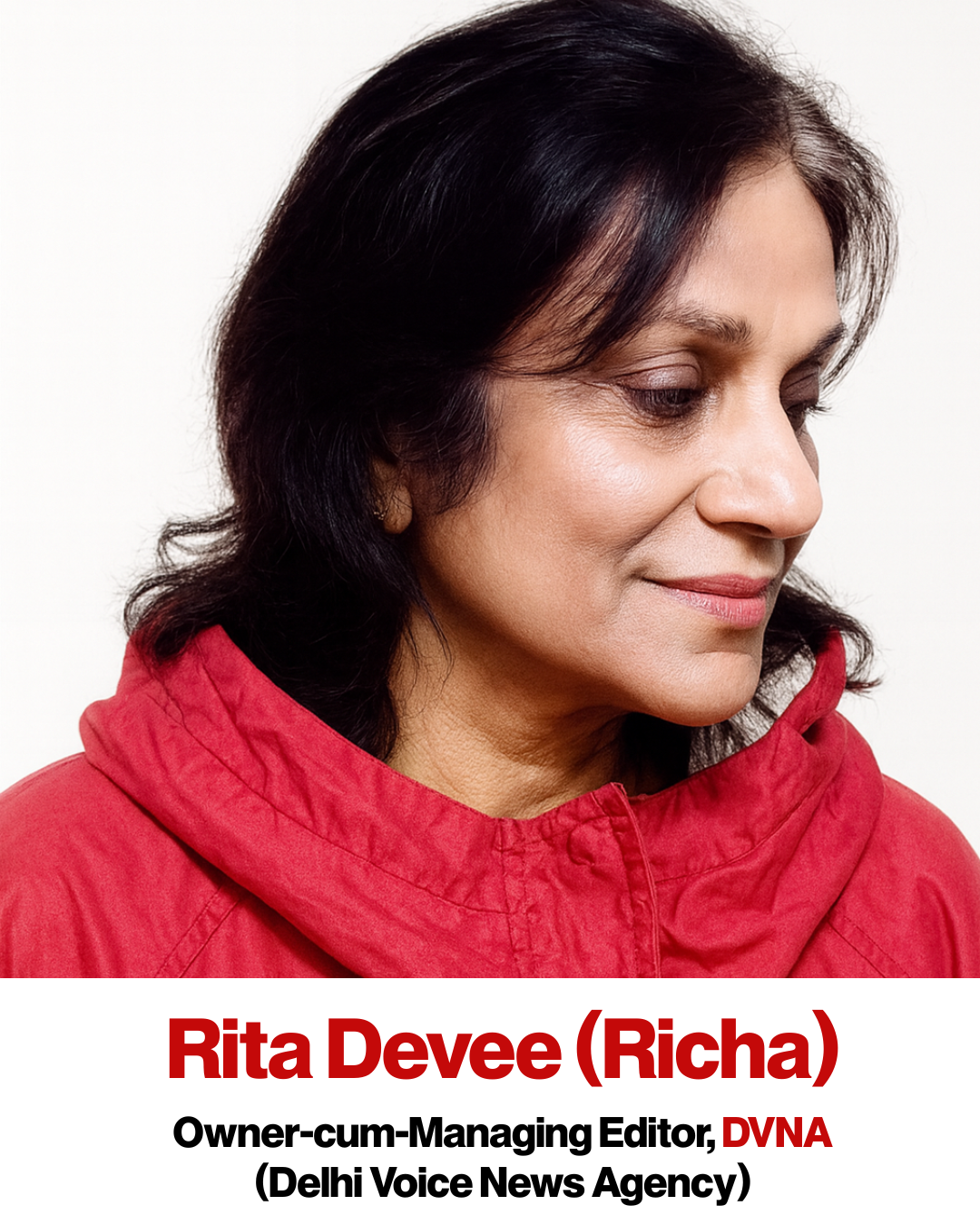
Who Is Working From Own Residance In South Delhi, Opprating From Bhagwan Sahai Tower, Noida Sector 15, 201301 India & Running With her 20 Years Experience In News Reporting In National News doordarshan (DD News) & NewsPapers Where She Used to Write Her Name as Priyadarshini, Rita and Richa Sharma. With Her Double Master Degree In journalism And Mass communication (JMC) and literature from Guwahati University and Madurai Kamaraj University Under UGC. & also Pursued Journalism Training In Delhi Under India Can Manage By Ex NDTV Team.
Contact us: delhivoicericha@gmail.com
Call/Whatsapp: +91 9625942970
Call/Whatsapp: +91 8453708864
Rita Devee (Richa) Sep 26, 2026
Rita Devee (Richa) Sep 23, 2026
Rita Devee (Richa) Sep 22, 2026
Rita Devee (Richa) Sep 21, 2026
Rita Devee (Richa) Sep 19, 2026
Rita Devee (Richa) Sep 16, 2026
Rita Devee (Richa) Sep 14, 2026
Rita Devee (Richa) Sep 11, 2026
Rita Devee (Richa) Sep 09, 2026
Rita Devee (Richa) Sep 07, 2026
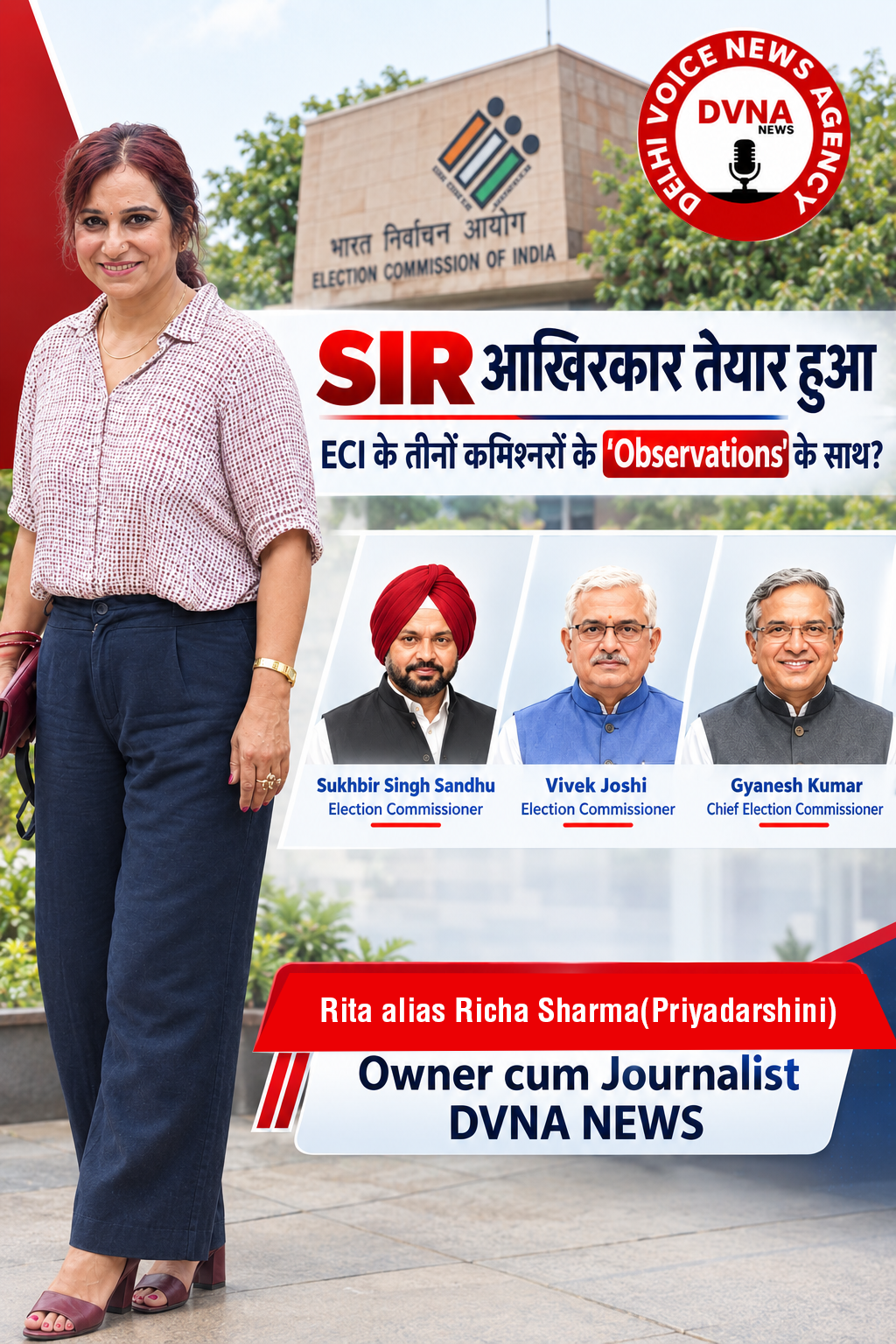
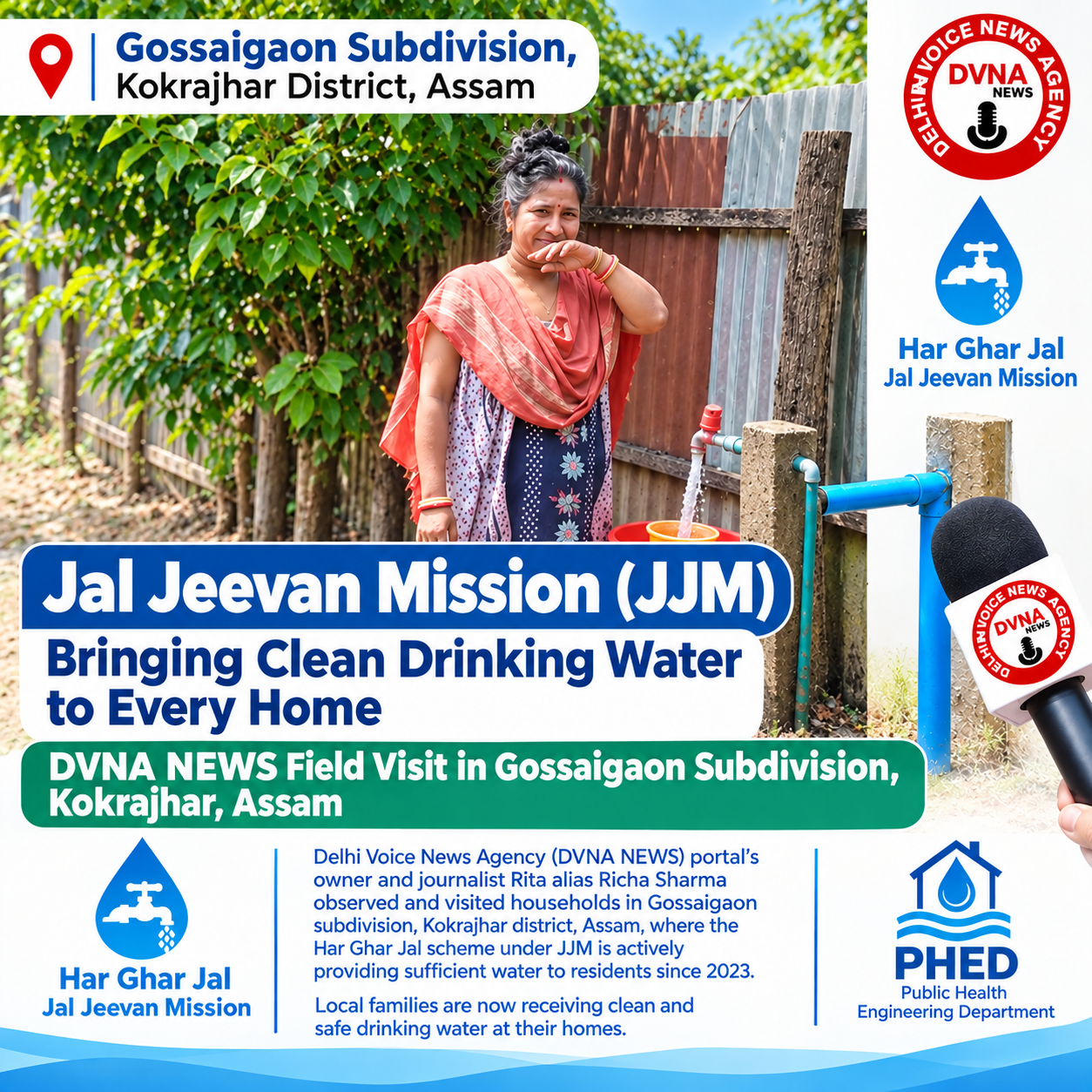


Who Is Working From Own Residance In South Delhi, Opprating From Bhagwan Sahai Tower, Noida Sector 15, 201301 India & Running With her 20 Years Experience In News Reporting In National News doordarshan (DD News) & NewsPapers Where She Used to Write Her Name as Priyadarshini, Rita and Richa Sharma. With Her Double Master Degree In journalism And Mass communication (JMC) and literature from Guwahati University and Madurai Kamaraj University Under UGC. & also Pursued Journalism Training In Delhi Under India Can Manage By Ex NDTV Team.
Contact us: delhivoicericha@gmail.com
Call/Whatsapp: +91 9625942970
Call/Whatsapp: +91 8453708864
Sep 26, 2026
Sep 23, 2026